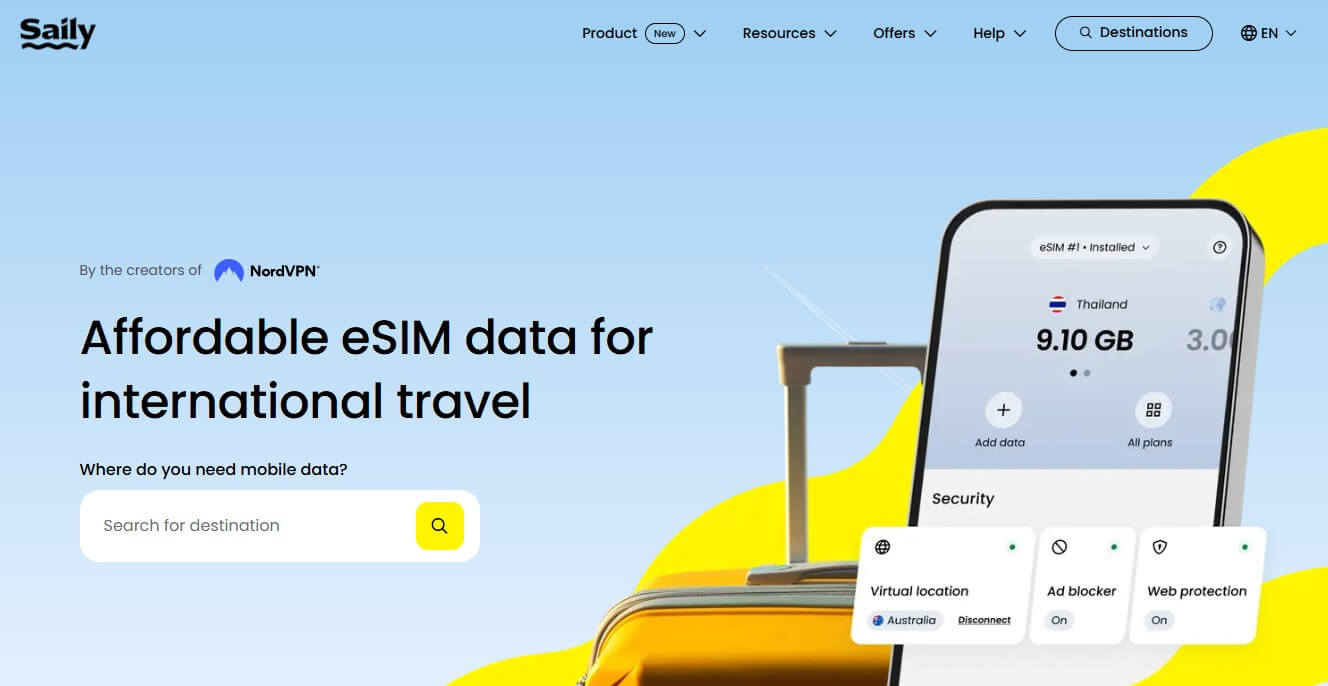
Global International eSIM Solutions for Seamless Travel Connectivity
International eSIM is the single best travel upgrade you can make. Instead of swapping physical SIM cards in each new country, you simply download a digital profile that connects you to a local network abroad. This lets you keep your primary number active while adding a separate data plan, so you stay online the moment you land. Just scan a QR code, choose your plan, and you’re set for affordable connectivity without hunting for a local shop.
Choosing the Right Travel Data Plan for Global Roaming
When choosing the right travel data plan for global roaming via an international eSIM, prioritize coverage maps over flashy data amounts. A Europe-wide plan is useless if it skips your specific rural destination. Assess your typical usage: light navigation and messaging suits a small, cheap regional plan, while video calls demand a high-data global package. Always check if the plan includes hotspot tethering if needed, and confirm activation is instant, not requiring a local scan after landing. Look for plans with stable, multi-network connections to avoid dropped signal, and ensure the eSIM provider offers a simple top-up interface rather than forcing you to buy a whole new profile mid-trip. This practical match of usage to network is the core of choosing the right travel data plan for global roaming.
Evaluating prepaid global SIMs versus virtual SIM alternatives
When evaluating prepaid global SIMs versus virtual SIM alternatives, the core distinction lies in physical logistics versus instant provisioning. A prepaid global SIM card requires physical shipment or in-store pickup, locking you into a single provider’s network agreements. Virtual SIMs, or eSIMs, eliminate hardware, allowing you to download and activate a data profile seconds before departure. This makes switching between regional carriers seamless if signal weakens. Virtual SIM alternatives typically offer more flexible top-up and plan changes through an app, while prepaid SIMs often require a new card for data refills. Prepaid SIMs can still win for users needing a local number for voice calls, as many eSIMs prioritize data-only roaming.
Choose a prepaid global SIM for guaranteed voice coverage; choose a virtual SIM for on-the-fly data plan switching without physical hardware.
Key factors: cost per gigabyte, coverage map, and speed tiers
When picking an international eSIM, cost per gigabyte is your wallet’s best friend—compare rates for your exact destinations, since regional plans often beat global ones per GB. The coverage map reveals if you’ll actually connect in rural spots or just major cities; always zoom into your itinerary. Speed tiers matter too, as some “unlimited” plans throttle to 2G after a few GB—look for stated 4G/5G caps for critical tasks like maps or video calls.
- Cost per gigabyte: Regional packages (e.g., Europe-only) usually slay global plans for price.
- Coverage map: Check local carriers listed, not just countries, especially for remote areas.
- Speed tiers: Confirm if “high-speed” means 5G or just 3G fallout after your first 1GB.
When a multi-country data pass outperforms single-region options
A multi-country data pass outperforms single-region options when your itinerary spans multiple zones, like hopping from Italy to Croatia to Greece. Instead of buying separate passes for each region, a global plan eliminates coverage gaps and repeated setup fees. For a week-long trip through four European countries, a single 10GB multi-country pass costs less than two 5GB regional plans, while also preventing sudden loss of service at borders. The key advantage is uninterrupted connectivity—you move between nations without reconfiguring eSIM profiles or scrambling for local SIMs.
Multi-country data passes win for multi-stop trips, offering cheaper, seamless roaming across regions without service breaks.
How Software-Based SIM Technology Works Across Borders
When you cross a border with an international eSIM, your device’s eSIM chip instantly switches to a local network profile stored in its software. Unlike a physical SIM, this software-based technology downloads and activates a new carrier connection remotely, bypassing the need to swap cards. As you travel, the eSIM management system dynamically negotiates with partner networks in each country, assigning you a temporary virtual identity that authenticates your access. This seamless handover relies on a carrier’s roaming arrangement that is pre-loaded into the eSIM’s code, so your phone connects to the strongest available signal without any manual setup. Your data plan stays intact, but the underlying technology treats each new country as a fresh local connection, keeping latency low and speeds high https://baztel.co/esim-plans/esim-china-mainland throughout your journey.
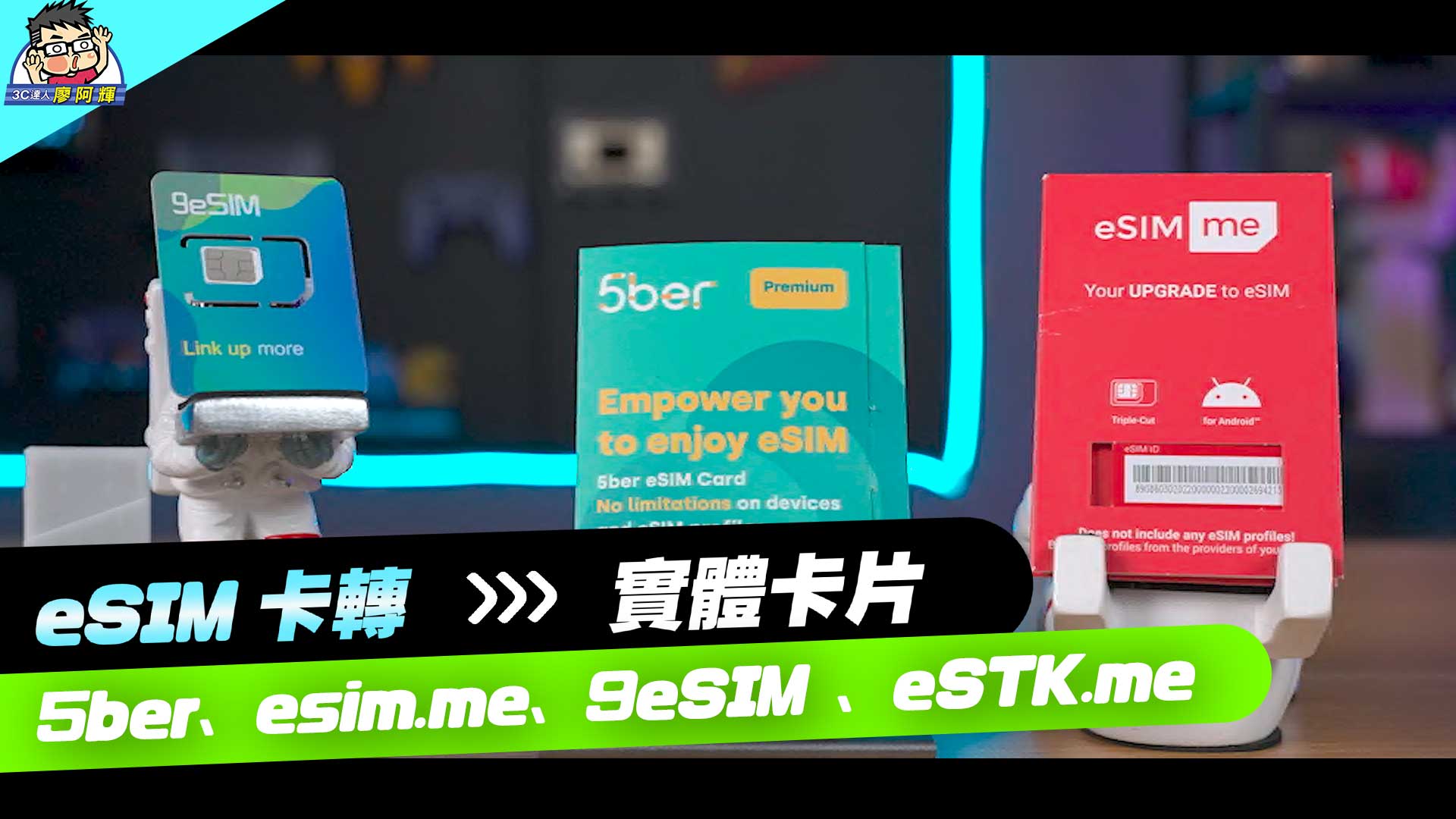
Understanding profile installation and device compatibility
Understanding profile installation and device compatibility for international eSIM begins with the device’s support for eSIM profiles via a compliant chipset. Users install a profile by scanning a QR code or downloading a carrier app, which writes the network credentials to the device’s secure element. This process requires an unlocked handset; carrier-locked phones often reject foreign profiles. Compatibility is tied to a device’s eSIM firmware version, so older models may lack support for remote profile provisioning across all global networks. Checking the manufacturer’s compatibility list is essential before traveling to ensure the device can accept and activate the intended eSIM.
Profile installation requires an unlocked, eSIM-compatible device; compatibility depends on firmware version and carrier lock status, not just hardware support.
Why network switching matters for seamless connectivity abroad
When traveling internationally, an eSIM’s ability to automatically switch between local carrier profiles is critical for maintaining uninterrupted service. This seamless connectivity abroad relies on the eSIM scanning for the strongest available signal, which prevents dropped calls and slow data in areas where a single network has poor coverage. A practical process unfolds: the eSIM app detects a weakening connection; it then quickly scans for alternative profiles and authenticates with a stronger local partner; finally, it hands off the data session without the user needing to manually swap physical cards. This dynamic switching ensures your connection remains stable even when moving between countries with overlapping coverage zones. Key steps to achieving this include:
- Activating an eSIM plan that aggregates multiple local network partners.
- Enabling automatic network selection within your device settings.
- Verifying that the eSIM provider offers real-time fallback to a secondary carrier if the primary fails.

Security and encryption differences from traditional physical SIMs
With an international eSIM, your subscriber identity data lives in encrypted storage on your device’s secure chip, not on a removable card. This makes it far harder for someone to physically steal or clone your identity, since there’s nothing to pop out. Unlike a physical SIM, over-the-air provisioning for an eSIM uses end-to-end encryption to install the profile, closing off key exchange vulnerabilities. If your phone is lost, you can remotely wipe the eSIM profile, which is impossible with a traditional SIM card. You get stronger remote security management without the risk of a physical card being tampered with at borders.
Top Providers Offering Cross-Border Data Connectivity
For international eSIM users, Airalo excels in cross-border data connectivity by bundling regional plans that activate instantly across multiple countries, removing the need for per-country SIM swaps. Holafly focuses on unlimited data allowances, ensuring seamless connectivity for heavy users crossing borders. For stable, high-speed roaming, Ubigi leverages single-network partnerships rather than aggregators, reducing latency in transit zones. Evaluate each provider’s network prioritization, as budget regional plans may throttle speeds during peak hours in congested airports or train corridors.
Comparing major players like Airalo, Holafly, and Nomad
When comparing major players like Airalo, Holafly, and Nomad for your next trip, the main difference is data philosophy. Airalo shines with budget-friendly, pay-as-you-go plans perfect for light users, while Holafly offers unlimited data—ideal for streamers who hate counting megabytes. Nomad strikes a middle ground, often bundling high-speed caps with great local rates in Asia. **Airalo vs Holafly vs Nomad pricing** varies drastically by region, so always check the app before buying. Which provider offers the best global coverage for frequent travelers? Nomad generally wins for multi-country trips with its regional passes, though Holafly’s unlimited add-ons make it a close second. Always verify if your destination includes hotspot tethering, as some plans restrict it.
Regional specialists for Europe, Asia, and the Americas
Regional specialists for Europe, Asia, and the Americas offer tailored eSIM coverage that outperforms generic global plans. For Europe, providers like Airalo and Holafly deliver deep local network partnerships across the Schengen Area, ensuring seamless high-speed data. Asia-focused specialists, such as Nomad and Sim Local, provide targeted plans for Japan, South Korea, and Southeast Asia, optimizing for local carrier speeds. Targeted regional eSIM coverage in the Americas is strong with providers like GigSky and Keepgo, which offer specific packs for North, Central, and South America without roaming markups. To select the right specialist:
- Identify your primary destination continent.
- Compare local data quotas and speed caps for that specific region.
- Check device compatibility with regional frequency bands.
Hidden fees to watch for in budget-friendly roaming plans
Even budget-friendly eSIM roaming plans often conceal critical hidden fees. Watch for stealthy activation charges that appear only after checkout, or tiered throttling that slaps extra costs once your “unlimited” data hits a soft cap. Some providers levy per-kilobyte fees in low-coverage zones, while others charge for inbound SMS or top-up maintenance. A comparison table clarifies these traps:
| Fee Type | What to Check |
|---|---|
| Activation | One-time fee not shown in base price. |
| Throttle Overages | Automatic top-up charges after speed cap. |
| Zero Zone Cost | Per-MB rates outside advertised regions. |
| Inactivity Fee | Charge for unused balance after X days. |
Always review the fair-use policy and test the plan with a small top-up before committing.
Activating a Virtual Profile for Your Next Trip
When you land abroad, activating a virtual profile for your next trip is as simple as scanning a QR code from your eSIM provider right at the gate. You typically do this before departure, adding the profile to your phone’s settings without needing a physical SIM. Once saved, the profile remains inactive until you toggle it on, letting you wait until you actually need data.
Just remember to label the profile with your destination or dates—this avoids confusion when juggling multiple travel eSIMs later.
You can often activate data immediately via the provider’s app, but check your network settings to switch the line on for mobile data before you start navigating the local streets.
Step-by-step setup on iOS, Android, and eSIM-only devices
Activating your international eSIM begins with your device. On iOS, Android, and eSIM-only devices, the process follows a clear sequence:
- Purchase and receive your eSIM QR code or activation code.
- Navigate to *Settings > Cellular/Mobile Data* on iOS, or *Settings > Connections > SIM Manager* on Android. For eSIM-only devices, open the dedicated eSIM app.
- Select “Add Cellular Plan” or “Add eSIM” and scan the QR code, or enter the activation details manually.
- Label the new line (e.g., “Travel Data”) and set it as default for mobile data. On eSIM-only devices, skip any physical SIM prompts.
- Toggle data roaming on within that plan’s settings. The connection activates instantly upon landing.
Managing dual SIMs for work and personal international use
For international travel, managing dual SIMs effectively requires assigning the physical SIM for work and an international eSIM for personal use. A virtual profile activates automatically, leaving your work number with its local coverage active for calls and messages. Your personal data runs on the eSIM’s roaming plan, preventing work billing surprises. You must designate your default data line to the eSIM before departure, while setting iMessage and FaceTime to your personal number for clear app-based communication. This logical split ensures dual SIM for travel productivity—work remains reachable without incurring personal roaming fees, and personal connectivity operates on its own prepaid eSIM data pool.
Troubleshooting activation errors in remote locations

When an eSIM fails to activate in a remote location, the primary cause is often insufficient network handshake time due to weak signal. Interruptions during remote provisioning can be mitigated by first force-restarting the device to refresh baseband connections. If activation still hangs, manually select a different carrier from the network list rather than relying on automatic scanning.
- Verify airplane mode is off and data roaming is toggled on before retrying activation.
- Disable Wi-Fi temporarily to force the eSIM profile to pull over cellular.
- If scanning fails, request a manual QR re-issuance from the provider’s portal to bypass server-side timers.
Strategies to Save Money on Overseas Data Usage
To save money on overseas data with an international eSIM, choose a regional eSIM plan over a global one, as it offers cheaper rates for specific countries.
Activating your international eSIM only when you land prevents billing from starting early on your home plan.
Additionally, use dual SIM mode by keeping your home SIM active for calls but setting the international eSIM as the default for data. Disable automatic app updates and background data refresh on your device, relying instead on your eSIM’s data allowance only for essential navigation and messaging.
Leveraging free trials and referral credits from providers
Leveraging free trials and referral credits systematically reduces overseas data costs. Activate a provider’s free trial—typically offering 100 MB to 1 GB—immediately before your trip, then switch to a paid plan if needed. Simultaneously, use your unique referral code to earn credits: refer a friend before you travel, and the provider credits your account, often $5–$10, which offsets your first top-up. Time this so the credit arrives before departure. Pair these tactics: exhaust the trial for initial setup, then apply referral credits to extend coverage without cash outlay. Avoid overlapping trials by tracking expiry dates; stack them sequentially across different eSIM providers for longer trips at zero cost.
| Method | Typical Benefit | User Action Required |
|---|---|---|
| Free Trial | 100 MB–1 GB at no cost | Activate pre-trip; set calendar reminder to cancel or renew |
| Referral Credit | $5–$10 account credit per referral | Share code before trip; confirm credit is applied before purchasing plan |
Data pooling for families or groups traveling together
For families or groups, data pooling via a single international eSIM plan eliminates the need for multiple separate purchases. You buy one bulk data package, then allocate specific gigabytes to each traveler’s eSIM from a central dashboard. This prevents waste from unused data on individual lines and avoids overage charges. Pooled data eSIM plans typically allow real-time rebalancing among users, so one person’s heavy streaming doesn’t strand others. Look for providers that let you add top-ups to the shared pool, not to individual lines. This approach is especially efficient for multi-device travel groups where usage patterns vary daily. A simple comparison of key features:
| Feature | Individual Plans | Pooled Group Plan |
|---|---|---|
| Data allocation | Per person, fixed | Shared, adjustable |
| Overage risk | High if one user exceeds | Low, can rebalance |
| Cost efficiency | Often more expensive per GB | Lower per GB for group |
Combining local prepaid SIMs with digital profiles for long stays

For long stays, combining a local prepaid SIM with your device’s digital eSIM profile offers a cost-effective hybrid strategy. You purchase a cheap local prepaid SIM for primary voice and data, ensuring affordable domestic rates. Simultaneously, keep your primary international eSIM active solely for receiving calls or SMS on your home number. This dual setup avoids expensively roaming on the local network while maintaining two critical connections. The sequence:
- Arrive and activate your pre-loaded international eSIM for immediate connectivity.
- Purchase and install a local prepaid SIM for long-term, low-cost data.
- Prioritize the local SIM for all browsing and calls, while the eSIM remains in standby.
This approach is particularly effective for extended travel data savings, as you benefit from local rates without losing your home number.
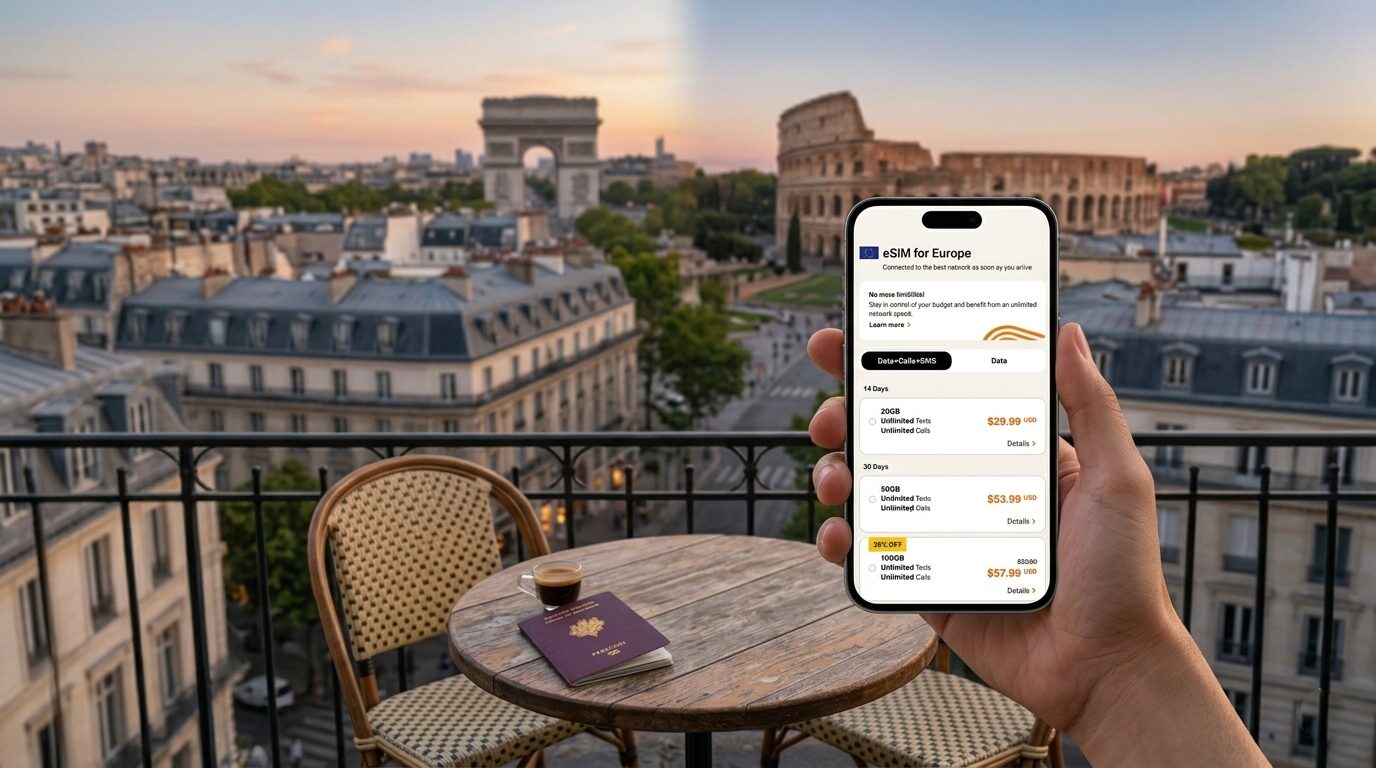
Coverage and Speed Considerations for Frequent Travelers
For frequent travelers, an international eSIM’s value hinges on consistent coverage and adequate speed across multiple countries. Prioritize eSIMs that partner with multiple local carriers in each region to ensure fallback connectivity if one network is weak. Speed tiers vary widely; data-intensive tasks like video calls require a plan with 4G/5G access, while basic messaging works on slower networks. Frequent travelers should ask: “Will this eSIM automatically switch to the fastest available network when crossing borders, and are speed caps applied after a data threshold?” Look for plans explicitly advertising “nationwide LTE/5G roaming” rather than vague “local speeds.” Avoid budget eSIMs that throttle speeds drastically after a small data allowance, as this can render navigation and real-time apps unusable during layovers or remote travel.
Understanding network priority: primary vs. secondary operators
When traveling, understanding network priority directly impacts your connection speed. A primary operator owns the local infrastructure, offering you full bandwidth and lower latency—critical for video calls or navigation. A secondary operator rents this network but is deprioritized, meaning your data may slow during peak congestion while primary users stay fast. Always select an eSIM that explicitly lists its primary network partner; cheap plans often rely on secondary operators, leading to frustrating buffering in crowded cities. Prioritize eSIMs that default to primary-tier access for consistent, high-speed connectivity abroad.
Impact of data throttling after exceeding fair use thresholds
Once you surpass an international eSIM’s fair use threshold, data throttling typically reduces speeds to 128–256 kbps, rendering high-bandwidth tasks like video streaming or large file uploads impractical. For frequent travelers, this enforced slowdown directly impacts real-time navigation, VoIP calls, and cloud synchronization, often causing session timeouts or degraded audio quality. Even basic web browsing may feel sluggish, with pages taking extended time to load images. Monitoring your daily data consumption is essential, as exceeding the cap abruptly shifts connectivity from usable to constrained, forcing reliance on Wi-Fi hotspots for critical tasks.
Exceeding the fair use threshold triggers severe data throttling, limiting speeds to below 256 kbps and making most real-time digital services unreliable for frequent travelers.
Testing real-world speeds in major hubs like airports and hotels
Testing real-world speeds in major hubs like airports and hotels provides a critical benchmark for international eSIM performance under congestion. These high-traffic environments often throttle shared bandwidth, revealing the actual throughput of your eSIM’s host network. In an airport, for example, you might start by running a quick latency test immediately after arrival, then a download speed test after queuing, and finally a streaming check in the boarding lounge. A logical sequence for assessment includes:
- Measure ping and speed at the arrival gate with moderate signal strength.
- Re-test deep inside the terminal to observe degradation from concrete and steel structures.
- Compare results from a hotel lobby during peak check-in hours vs. your room to gauge consistency.
This approach isolates how well your eSIM sustains usable speeds when competing with hundreds of connected devices.
Security Pitfalls When Using Digital Roaming Services
Digital roaming services through an international eSIM expose travelers to a unique set of security pitfalls that differ from physical SIM cards. The primary risk is that your entire data session is routed through a third-party operator’s network, often in a less-regulated jurisdiction, making man-in-the-middle attacks more plausible if encryption is weak. Since provisioning happens over the air, a compromised eSIM profile could silently redirect your traffic to a malicious gateway. Even trusted eSIM providers can suffer from backend vulnerabilities that leak your IMSI or authentication keys. To mitigate this, always verify that your eSIM app enforces strong encryption and never connect to unknown public Wi-Fi while roaming, as the combination can bypass your phone’s native security layers entirely.
Risks of public Wi-Fi fallback and VPN necessity
When your international eSIM signal drops, your phone might auto-connect to a public Wi-Fi hotspot to keep you online. That’s risky—these open networks can expose your logins, messages, and banking details to anyone on the same connection. A secure VPN necessity here is obvious: it encrypts all your traffic, turning that dodgy café Wi-Fi into a private tunnel. Without it, you’re essentially broadcasting your data to strangers.
- Public Wi-Fi fallback can bypass your eSIM’s encryption, letting snoopers intercept passwords and credit card numbers.
- A VPN prevents “man-in-the-middle” attacks on unsecured hotel or airport networks by scrambling your data.
- Even password-protected public Wi-Fi is unsafe—shared keys don’t stop local eavesdroppers; a VPN does.
Data privacy policies of third-party eSIM resellers
When using an international eSIM, data privacy policies of third-party eSIM resellers often differ drastically from the original carrier. Some resellers log your traffic for analytics or share it with marketing partners, which you wouldn’t expect from a standard roaming plan. Always check if the policy explicitly promises no logging of browsing history or connection timestamps. If the fine print mentions vague “improving services” without specifics, your personal data could be sold. A quick comparison helps:
| Reseller Type | Data Handing Practice |
| Transparent reseller | States retention period & no third-party sales |
| Vague reseller | Allows sharing with “affiliates” without detail |
Choose only resellers whose privacy section clearly states your data is not monetized—otherwise, your entire trip’s usage pattern becomes a product.
Protecting personal information during profile installation
When installing an international eSIM profile, your personal data is most vulnerable during the QR code scan or manual activation process. Always use a secure network connection—avoid public Wi-Fi—since interception risks spike as the profile downloads your credentials. Scrutinize the installer’s permission requests; deny access to your contacts, photos, or location unless critical for setup. Use a temporary email alias for account creation tied to the eSIM, and delete the installer app immediately after activation to prevent residual data exposure.
What to Do When Your Network Plan Fails Abroad
When your international eSIM fails abroad, first force a manual network search in your phone’s settings. Switch off automatic selection, then pick a different local carrier from the list. If that doesn’t work, toggle airplane mode for 30 seconds to force a fresh reconnection. For persistent issues, delete and re-download your eSIM profile using the original QR code or activation link (save it offline beforehand). Always carry a backup physical SIM or a second eSIM from a different provider for critical travel.
The quickest fix is often just switching between available networks manually, not restarting your phone.
Manual carrier selection and emergency backup options
When your eSIM struggles, you can manually pick a different local carrier from your phone’s network settings instead of relying on auto-connect. For emergency backup options, always keep a second eSIM profile or a physical SIM from a global provider saved. If all data fails, do this:
- Disable automatic network selection and scan for available carriers.
- Test each provider for signal—avoid ones with “forbidden” status.
- Fall back to SMS-only roaming or a prepaid local SIM as a last resort.
This hands-on control keeps you connected without waiting for automation.
Customer support response times across different providers
When your international eSIM fails, critical provider response time differences become immediately apparent. Providers like Airalo typically reply via in-app chat within 10–30 minutes, while Holafly prioritizes WhatsApp support, often replying within 5–15 minutes during business hours. Ubigi offers email-only support, with average first replies between 4–12 hours. Premium providers such as Flexiroam boast 24/7 live chat with sub-5-minute waits for urgent network issues. These gaps mean your choice directly determines whether you wait minutes or hours for a reactivation or troubleshooting fix.
- Airalo: In-app chat, 10–30 minute average response
- Holafly: WhatsApp support, 5–15 minutes during peak hours
- Ubigi: Email-only, 4–12 hour delay for first reply
- Flexiroam: 24/7 live chat, sub-5 minute resolution for network failures
Using offline maps and messaging apps to minimize data waste
When your international eSIM data runs low, smart offline fallbacks become your lifeline. Pre-download entire city maps in Google Maps or Maps.me before departure, killing the need for real-time navigation data. For messaging, stick to WhatsApp or Telegram—they let you send texts and voice notes over Wi-Fi without burning mobile data, while image transfer can be set to “low quality” or manual download. This combo keeps you reachable and oriented without forcing a top-up until you find stable connectivity.
What Exactly Is an International eSIM and How Does It Function?
The Core Technology: How a Digital SIM Card Roams Across Borders
Instant Activation vs. Physical SIM Cards: Key Differences